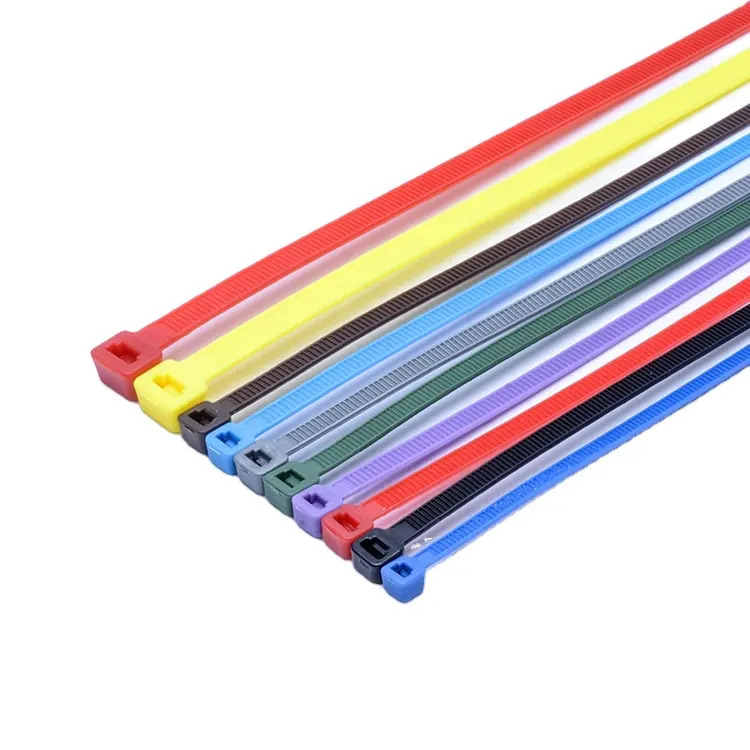
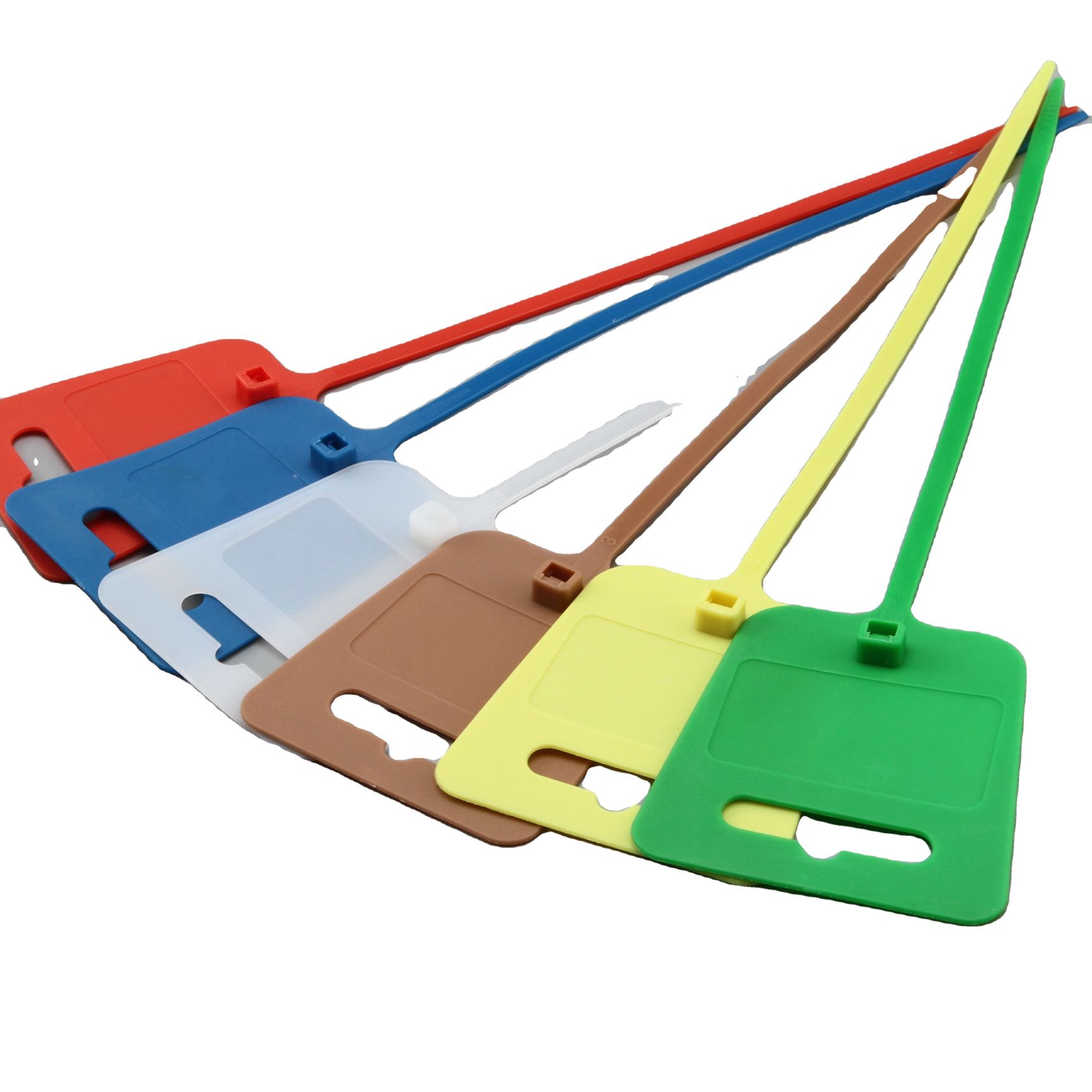
Self Locking Nylon Cable Ties are widely used for organizing wires, securing components, and bundling materials in electrical installations, manufacturing facilities, construction projects, and everyday applications. Their simple structure combines a flexible nylon strap with an integrated locking head to create a practical fastening solution. This article explains how the locking mechanism works, what material properties matter, where these ties are commonly used, and how buyers can evaluate their suitability for different working environments.
1. Understanding the Basic Structure of Self Locking Nylon Cable Ties
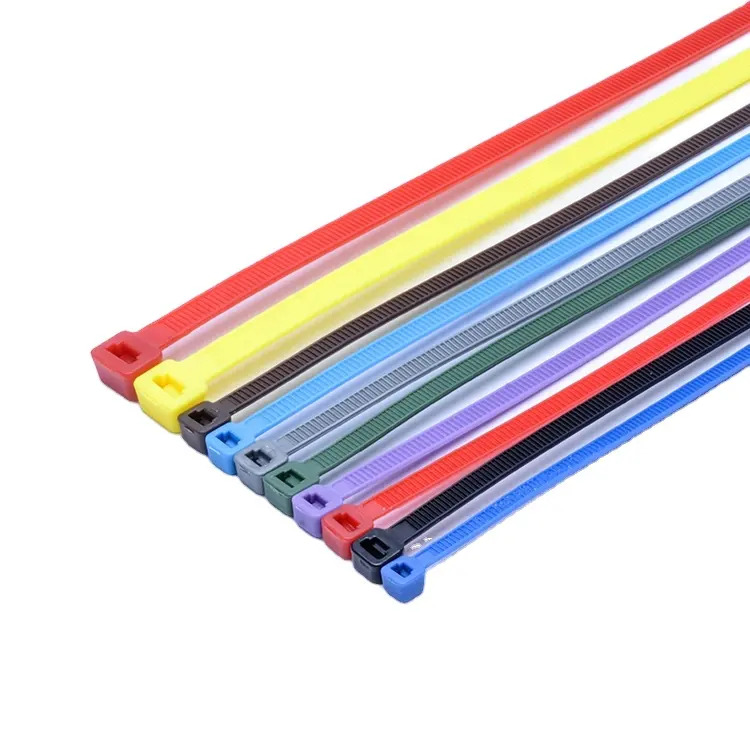
A cable tie may look like a simple plastic strip, but its design is intended to provide consistent fastening with minimal installation effort. A typical self-locking nylon cable tie consists of two main parts: a flexible strap and a locking head. The strap features a series of small teeth or serrations, while the head contains an internal locking element that engages with these teeth.
During installation, the narrow end of the strap is inserted through the head and pulled until the desired tightness is achieved. Once the strap passes through the locking mechanism, it is prevented from moving backward under normal use. This creates a closed loop around the cables or objects being bundled.
The Strap
The strap provides the flexibility and tensile strength required for bundling. Its width, thickness, length, and tooth design influence how the tie performs. A wider or thicker strap may be suitable for applications requiring greater holding capacity, although the actual performance must be confirmed through product specifications and testing.
The Locking Head
The locking head houses the internal pawl or locking feature. It must be sufficiently strong and accurately molded to engage with the strap teeth. Poor dimensional consistency can lead to slipping, difficult installation, or inconsistent fastening performance.
The Tail
The tail is the end inserted into the locking head. Its shape and surface finish influence how easily the tie can be threaded and tightened. A well-designed tail helps make installation smoother, especially when workers need to apply many ties during repetitive operations.
2. How the Self-Locking Mechanism Works
The defining feature of a self-locking cable tie is its one-way fastening mechanism. It allows the strap to move forward through the locking head while resisting backward movement after engagement.
- Positioning: The strap is wrapped around the wires, cables, or components that need to be secured.
- Insertion: The pointed tail is guided into the opening of the locking head.
- Tightening: The installer pulls the tail to reduce the loop diameter and achieve the required bundle tightness.
- Engagement: The internal locking feature engages with the strap teeth.
- Fastening: The completed loop holds the bundled items together until the tie is cut or otherwise removed.
This mechanism is useful because it does not require a separate nut, screw, or metal buckle. Workers can complete many routine bundling tasks quickly with a simple pulling action.
3. Why Nylon Is Used in Cable Tie Manufacturing
Nylon is widely used for cable ties because it offers a useful balance of flexibility, mechanical strength, processability, and cost. Polyamide 6.6, commonly called PA66, is a frequently used material for general-purpose cable ties. Other polyamide grades may also be selected depending on the intended application.
Mechanical Strength and Flexibility
A cable tie must bend around a bundle without cracking during normal installation. At the same time, its strap and locking head need sufficient strength to maintain the fastening. Nylon provides a combination of these properties, making it suitable for many wire management tasks.
Lightweight Construction
Compared with many metal fastening components, nylon ties are lightweight and easy to handle. This can be useful in electrical cabinets, equipment assemblies, and production environments where numerous fastening points are required.
Electrical Insulation
Nylon is generally an electrical insulating material. This makes nylon cable ties suitable for many wire organization applications. However, a cable tie is not a substitute for proper electrical insulation, cable protection, or an approved electrical enclosure.
Moisture and Temperature Considerations
Nylon absorbs moisture from its surrounding environment. Its flexibility and mechanical properties can change depending on moisture content and temperature. This is important when storing products or using them in environments with significant temperature or humidity variations.
For demanding applications, buyers should request material details and the manufacturer's recommended operating conditions rather than assuming that all nylon cable ties have identical performance.
4. Key Benefits in Daily Applications
Quick and Convenient Installation
The integrated locking head makes installation straightforward. No additional fastening hardware is normally required, helping reduce assembly steps in routine bundling work.
Consistent Cable Organization
Loose cables can become tangled, difficult to identify, or obstruct access to equipment. Properly installed cable ties help keep wire groups organized and make maintenance work more manageable.
Compact and Lightweight Design
The compact construction makes cable ties suitable for tight spaces where larger fastening systems may be inconvenient. Their low weight also makes them practical for large-scale assembly operations.
Versatile Uses
Different lengths, widths, colors, and material options allow cable ties to serve many industries. Standard products are suitable for common indoor bundling, while specialized versions may be available for outdoor exposure or more demanding environments.
Cost-Effective Fastening
For many applications, cable ties provide an economical way to secure groups of wires and lightweight components. Their low installation complexity can also help reduce assembly time.
5. Common Industrial Applications
Self-locking nylon cable ties are used across a wide range of industries because cable and component organization is a common requirement in modern equipment and facilities.
Electrical and Electronics
They are frequently used to organize wires inside control panels, electrical cabinets, communication equipment, and electronic assemblies. Proper routing can improve accessibility and reduce unnecessary cable movement.
Automotive Manufacturing
In vehicle assembly, cable ties may help organize wiring harnesses and secure selected lightweight components. Automotive applications require careful consideration of temperature, vibration, chemical exposure, and relevant industry specifications.
Construction and Building Services
Electrical contractors use cable ties to group wires and manage cables during installation. They can also help organize low-voltage wiring and selected temporary fastening tasks.
Telecommunications
Communication installations often contain large numbers of cables. Cable ties help maintain orderly cable routes in equipment rooms, cabinets, and network infrastructure. Installers should avoid excessive tightening that could deform sensitive cables or affect their performance.
Manufacturing and Warehousing
Production lines and warehouses use cable ties for organizing equipment wiring, grouping lightweight materials, and supporting general maintenance operations. The correct tie should be selected according to the load, environment, and intended service life.
6. Common Types and Design Considerations
Not every cable tie is designed for the same conditions. Understanding common product variations helps buyers avoid selecting a standard product for an unsuitable application.
| Type | Main Characteristics | Typical Application |
|---|---|---|
| Standard Nylon Cable Tie | General-purpose design for everyday bundling | Indoor wire organization and routine assembly |
| UV-Resistant Cable Tie | Designed with material or additives intended to improve UV resistance | Outdoor cable management, subject to product rating |
| Heat-Resistant Cable Tie | Uses a material grade selected for higher-temperature conditions | Specified industrial or equipment environments |
| Colored Cable Tie | Available in different colors for identification | Cable grouping and maintenance organization |
| Releasable Cable Tie | Includes a release feature for opening and reuse | Applications requiring repeated access |
| Mountable Cable Tie | Designed with a mounting feature or fixing base | Securing cable routes to panels or surfaces |
Specialized features should always be checked against the manufacturer's technical information. Appearance alone cannot confirm UV resistance, flame performance, or a particular temperature rating.
7. Important Selection Factors for Buyers
Choosing the correct cable tie starts with understanding the actual bundling task. A product that works well for a small indoor wiring job may not be suitable for a large bundle or outdoor installation.
Length and Bundle Diameter
The cable tie should be long enough to wrap around the entire bundle and pass through the locking head with sufficient adjustment allowance. Buyers should calculate the approximate bundle circumference before ordering.
Width and Tensile Strength
Width is one factor affecting the tie's mechanical performance, but it should not be used as the only indicator of strength. The specified minimum tensile strength and relevant test conditions are more useful when comparing products.
Material Grade
Ask whether the product uses PA66 or another material grade. Confirm whether the material is suitable for the expected humidity, temperature, and exposure conditions.
Environmental Exposure
For outdoor or industrial use, consider UV exposure, water, chemicals, temperature changes, and abrasion. If the application has special requirements, request product data and test evidence before placing a bulk order.
Color and Identification
Color selection can support identification and maintenance systems. However, the color itself should not be treated as proof of a specific material property unless the manufacturer confirms it.
8. How to Evaluate Product Quality
For distributors, importers, and industrial purchasers, product quality should be evaluated through specifications, sample inspection, and repeatable testing rather than appearance alone.
- Check molding consistency: Look for uniform strap thickness, clean edges, and a well-formed locking head.
- Inspect the locking teeth: Teeth should be clearly formed and consistent along the strap.
- Test locking engagement: Confirm that the strap feeds through smoothly and locks securely under the specified test conditions.
- Review tensile strength: Compare the manufacturer's declared values and test methods.
- Confirm material information: Request the material grade and relevant technical documentation.
- Check packaging: Packaging should protect the ties from contamination, damage, and unsuitable storage conditions.
When purchasing large quantities, sample testing is a practical way to identify issues before mass production or delivery. Buyers should also clarify acceptable tolerances, inspection procedures, and packaging requirements with the supplier.
9. Installation and Handling Guidelines
Even a well-manufactured cable tie can perform poorly if it is installed incorrectly. Good installation practices help reduce damage to cables and improve fastening consistency.
- Choose a tie with suitable length and strength for the bundle.
- Arrange the cables before fastening to avoid unnecessary crossing or twisting.
- Insert the tail into the locking head in the correct direction.
- Tighten the tie until the bundle is secure, but avoid excessive compression.
- Cut off the excess tail with an appropriate tool when required.
- Inspect the finished bundle for sharp edges, damaged insulation, or loose components.
For sensitive data cables, fiber-related installations, or applications with specified bend-radius requirements, follow the cable manufacturer's installation guidance. A cable tie should not compress a cable beyond its permitted limits.
10. Storage and Service Life
Storage conditions can influence nylon cable tie performance. Nylon is moisture-sensitive, so products should be kept in suitable packaging and stored according to the manufacturer's recommendations.
To help maintain product condition:
- Store cable ties in a clean, dry environment.
- Avoid prolonged exposure to direct sunlight unless the product is specifically packaged and rated for such conditions.
- Keep products away from excessive heat sources.
- Do not leave opened packaging exposed to unsuitable humidity for extended periods.
- Follow the manufacturer's guidance on shelf life and conditioning before installation.
Actual service life depends on material grade, installation quality, mechanical loading, temperature, UV exposure, and other environmental factors. There is no single service-life figure that applies to every nylon cable tie.
11. Frequently Asked Questions
Q1: What makes a self-locking nylon cable tie different from an ordinary plastic strap?
It has an integrated locking head that engages with teeth on the strap. This allows the tie to tighten around a bundle and resist backward movement without requiring a separate fastening component.
Q2: Are self-locking nylon cable ties reusable?
Most standard self-locking cable ties are intended for one-time use. Releasable models are available for applications that require repeated opening and closing.
Q3: Which nylon material is commonly used for cable ties?
PA66 is commonly used for general-purpose cable ties. Other grades may be selected for specialized conditions. Buyers should confirm the actual material specification with the manufacturer.
Q4: Can nylon cable ties be used outdoors?
Some products are designed for outdoor use, including UV-resistant versions. Standard indoor cable ties should not automatically be assumed to provide long-term outdoor durability.
Q5: How can I choose the correct cable tie length?
Measure the approximate circumference of the bundle and select a tie with enough additional length for threading and tightening. The usable length and dimensions should be confirmed in the product specification.
Q6: Can cable ties damage electrical wires?
Excessive tightening can compress cable insulation or affect sensitive cables. Use an appropriate tie size and tightening method, and follow the cable manufacturer's recommendations.
Q7: What should bulk buyers ask a supplier?
Ask about material grade, dimensions, tensile strength, color options, packaging, available samples, production capacity, and inspection procedures. For specialized applications, request relevant technical data.
Conclusion
Self-locking nylon cable ties offer a practical way to organize wires, secure lightweight components, and improve assembly efficiency across many industries. Their performance depends on more than the locking mechanism alone. Material selection, dimensions, molding consistency, installation methods, and environmental conditions all influence the final result.
For buyers, understanding these factors makes it easier to specify the right product, evaluate suppliers, and reduce problems during installation. Yueqing Yage Precision Plastic Co., Ltd. focuses on precision plastic products and cable tie solutions for different application requirements.
Looking for a Reliable Cable Tie Supplier?
Whether you need standard sizes, different colors, or cable ties for specific industrial applications, choosing a supplier that understands product consistency and application requirements is essential. Contact Yueqing Yage Precision Plastic Co., Ltd. to discuss your specifications, request product information, and explore suitable solutions for your business.
Contact Us