


Call Us
+86-15957735002
Email Us
gaohang@yagect.com

Which Tag Cable Tie Features Matter Most for Reliable Cable Identification?
Tag cable ties are practical fastening solutions designed to combine cable bundling with identification. They help businesses organize wiring systems, simplify maintenance, reduce identification errors, and improve workplace efficiency. However, choosing the wrong material, label design, dimensions, or fastening strength can create unnecessary problems in demanding applications. This guide explains how tag cable ties work, which specifications matter most, and how to select suitable products for different industrial and commercial requirements.
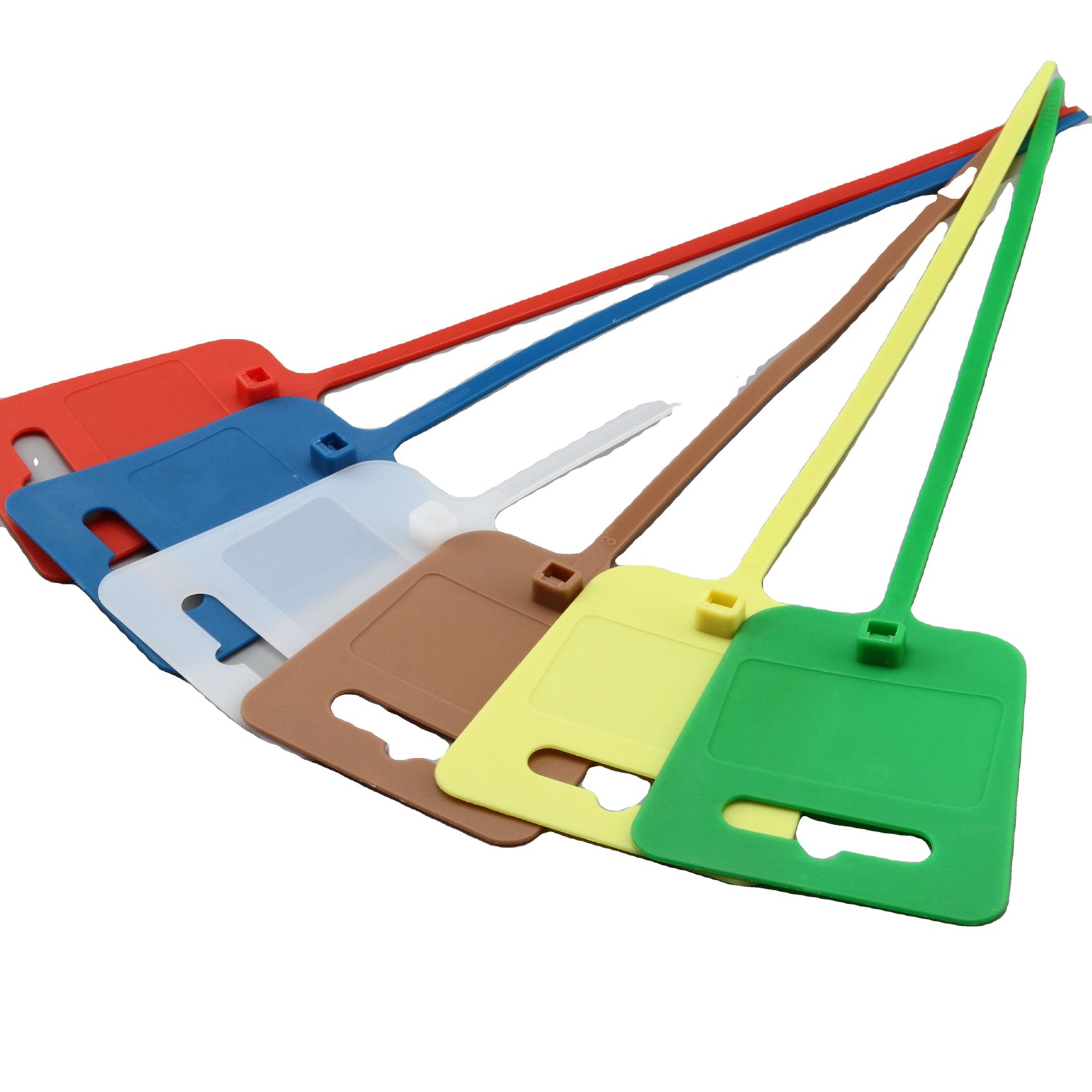
Table of Contents
- What Are Tag Cable Ties?
- Which Features Make Tag Cable Ties Different?
- Which Materials Are Suitable for Tag Cable Ties?
- Which Specifications Should Buyers Consider?
- Where Are Tag Cable Ties Commonly Used?
- How Should Tag Cable Ties Be Installed?
- Which Common Problems Can the Right Tag Cable Ties Prevent?
- How Can Buyers Choose a Reliable Tag Cable Tie Supplier?
- Frequently Asked Questions
- Final Thoughts
1. What Are Tag Cable Ties?
Managing cables is not simply about keeping wires together. In electrical installations, industrial equipment, communication networks, and commercial facilities, every cable may serve a different purpose. When multiple wires are bundled without proper identification, locating a specific connection can become time-consuming and frustrating.
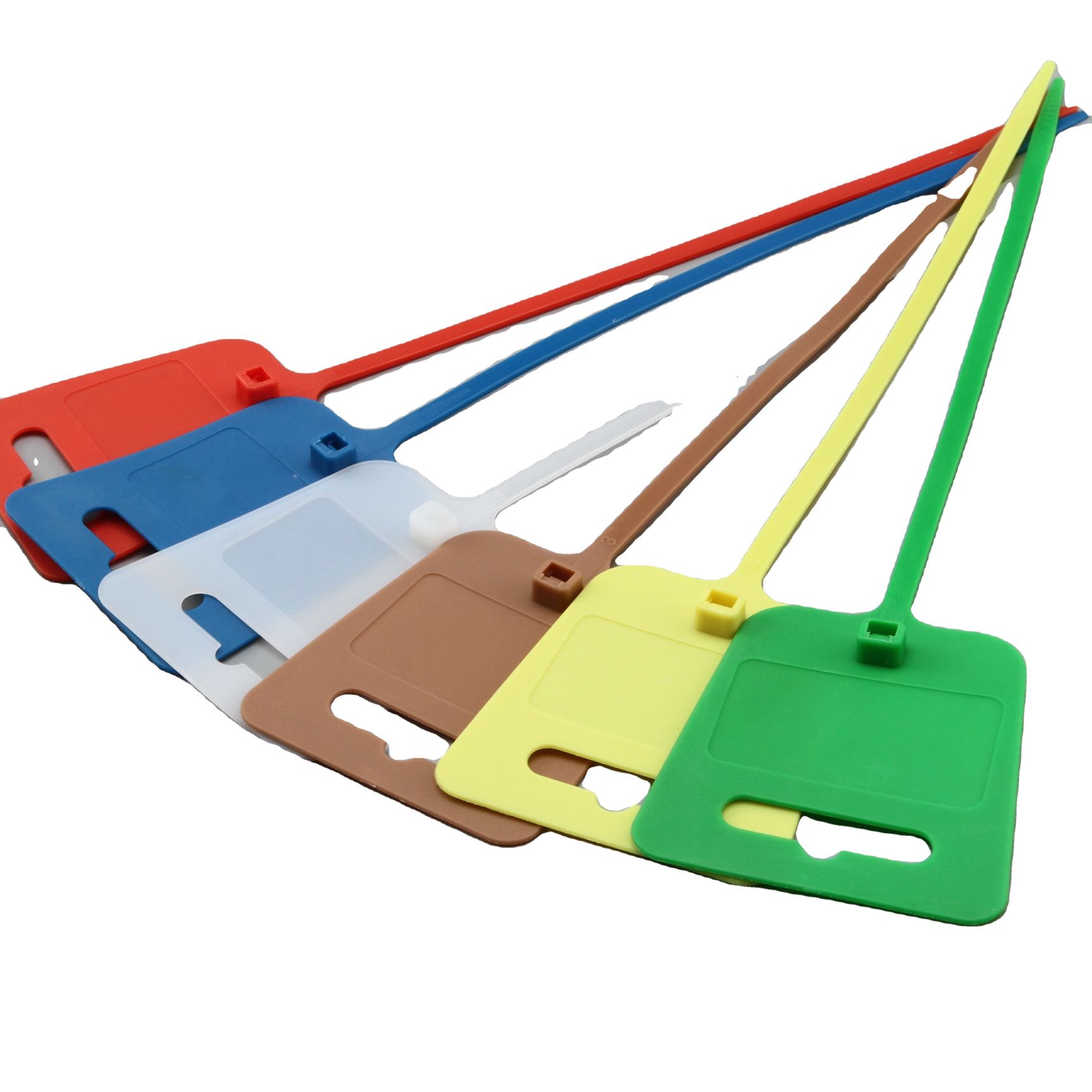
A tag cable tie is a specialized cable fastening product that combines a traditional cable tie with an integrated identification tag. The tag provides a convenient surface for displaying information such as cable numbers, equipment references, circuit descriptions, installation codes, or maintenance notes.
Unlike ordinary cable ties, which mainly focus on fastening and organizing wires, tag cable ties offer an additional identification function. This combination makes them useful in applications where cable organization and traceability are equally important.
How Does a Tag Cable Tie Work?
Most tag cable ties consist of three basic components:
- Strap: The flexible body that wraps around a cable or group of wires.
- Locking head: The mechanism that secures the strap after tightening.
- Identification tag: A flat or designated marking area used to record relevant information.
After the strap is wrapped around a cable bundle, the locking mechanism holds it in position. The identification area remains accessible, allowing technicians to read or write the necessary information without removing the fastening product.
Practical benefit: A properly selected tag cable tie helps technicians identify cable connections faster, reduces confusion during maintenance, and supports more organized wiring installations.
2. Which Features Make Tag Cable Ties Different?
The main difference between tag cable ties and conventional cable ties is the additional identification surface. This seemingly small design feature can make a considerable difference in large-scale wiring projects.
2.1 Integrated Identification Area
The integrated tag provides space for essential information. Depending on the product design, users may write directly on the tag, apply a label, or use another compatible marking method.
Typical identification information includes:
- Cable identification numbers.
- Electrical circuit references.
- Equipment and machine codes.
- Installation locations.
- Inspection and maintenance references.
2.2 Better Cable Organization
When dozens or hundreds of cables are installed in the same area, visual organization becomes increasingly important. Tag cable ties allow users to group wires and identify individual bundles more easily.
2.3 Convenient Maintenance
Maintenance personnel frequently need to trace connections, inspect equipment, replace cables, or troubleshoot electrical systems. Clear identification can reduce unnecessary searching and help technicians locate the correct cable more efficiently.
2.4 Space-Efficient Design
Instead of installing a separate cable tie and identification tag, users can combine these functions in one product. This can reduce the number of separate components required for basic cable identification tasks.
3. Which Materials Are Suitable for Tag Cable Ties?
Material selection directly affects the durability, flexibility, strength, and environmental suitability of a tag cable tie. Buyers should consider where the product will be installed and what conditions it will experience throughout its service life.
3.1 Nylon 6/6 (Polyamide 66)
Nylon 6/6 is a commonly used material for general-purpose cable ties. It offers a practical combination of mechanical strength, flexibility, and resistance to everyday handling.
Its advantages include:
- Good mechanical performance for general cable bundling.
- Lightweight construction.
- Convenient installation.
- Good resistance to many common environmental conditions when properly selected.
However, nylon is hygroscopic, meaning it absorbs and releases moisture depending on surrounding conditions. Changes in moisture content can influence flexibility and mechanical properties. Therefore, proper packaging and storage are important.
3.2 UV-Resistant Nylon
For outdoor applications, standard indoor cable ties may not provide sufficient long-term performance. Continuous exposure to sunlight and ultraviolet radiation can contribute to material aging.
UV-resistant formulations, often incorporating suitable stabilizing additives, are designed for improved resistance to outdoor exposure. Buyers should confirm the manufacturer's declared UV performance rather than assuming that every black nylon cable tie is automatically suitable for outdoor use.
3.3 Heat-Resistant Materials
Some electrical and industrial installations involve elevated operating temperatures. In these environments, ordinary cable tie materials may lose mechanical performance over time.
Special heat-resistant materials or formulations may be appropriate, depending on the required operating temperature and installation conditions. Always check the manufacturer's temperature ratings before purchasing.
3.4 Other Material Considerations
For applications involving chemical exposure, moisture, or unusual operating conditions, buyers should evaluate material compatibility carefully. A material suitable for a dry indoor electrical cabinet may not be suitable for a chemical processing facility or an exposed outdoor installation.
| Material Type | Main Characteristics | Typical Considerations |
|---|---|---|
| Nylon 6/6 | Strength and flexibility | General indoor applications |
| UV-resistant Nylon | Improved UV resistance | Outdoor cable management |
| Heat-resistant Nylon | Designed for higher-temperature conditions | Equipment exposed to heat |
| Specialty Polymers | Application-specific properties | Special environmental requirements |
The actual performance of each material depends on its formulation, product construction, and testing conditions. Always request technical specifications for the exact product being considered.
4. Which Specifications Should Buyers Consider?
Choosing a tag cable tie based only on its appearance or unit price can result in poor installation performance. Buyers should evaluate several technical details before confirming an order.
4.1 Overall Length and Width
The length of the strap determines the maximum bundle size that the cable tie can accommodate. Its width also influences mechanical performance and the way the product handles installation stress.
Before choosing a size, consider:
- The outside diameter of the cable bundle.
- The number of cables being secured.
- The available installation space.
- The required fastening and routing arrangement.
4.2 Tag Size and Writing Area
The identification area should provide enough space for the information required by technicians. Small tags may be sufficient for short reference numbers, while larger tags can accommodate longer descriptions or additional identification details.
Buyers should also consider whether the tag supports handwritten markings, printed labels, or other identification methods.
4.3 Tensile Strength
Tensile strength is an important consideration because a cable tie must remain secure under its intended mechanical load. However, the appropriate strength depends on the cable bundle, installation method, environmental conditions, and application requirements.
Do not assume that a higher tensile strength rating automatically makes a product suitable for every installation. Check the declared loop tensile strength and relevant product test information.
4.4 Locking Mechanism
The locking head should engage properly and hold the strap securely after installation. Consistent locking performance helps reduce loosening and installation failures.
4.5 Color and Identification Requirements
Different colors can help organizations establish visual identification systems. For example, a company may use separate colors for equipment groups, maintenance zones, or specific cable categories.
However, color coding should follow a clearly documented internal system. Color alone should not replace essential written identification.
Buyer tip: When requesting quotations, provide the required strap dimensions, tag dimensions, material, color, marking method, packaging quantity, and application environment. More complete specifications help suppliers recommend a more suitable product.
5. Where Are Tag Cable Ties Commonly Used?
Tag cable ties can support identification and cable organization across various industries. Their usefulness becomes especially clear in installations where multiple cable connections need to be managed and maintained.
5.1 Electrical Cabinets and Control Panels
Electrical cabinets often contain multiple wires connected to different components, terminals, and control systems. Tag cable ties help technicians distinguish cable groups and locate specific connections during inspections or troubleshooting.
5.2 Telecommunications and Data Networks
Communication rooms, server facilities, and network installations may contain extensive cable arrangements. Proper identification can help maintenance personnel trace network connections and reduce confusion when modifying existing installations.
5.3 Industrial Machinery
Industrial equipment may include power cables, sensor wires, control lines, and signal connections. Tag cable ties provide a practical way to organize these connections and improve identification during equipment servicing.
5.4 Automotive and Transportation Equipment
Vehicle wiring systems contain numerous electrical connections. Identification ties may be used in suitable assembly and maintenance applications to distinguish wire groups and support organized harness management.
5.5 Construction and Infrastructure Projects
Large construction projects often involve complex electrical installations across multiple floors, rooms, and equipment areas. Identification solutions help installation teams manage cable routing and support future inspection work.
| Industry | Typical Application | Main Benefit |
|---|---|---|
| Electrical Engineering | Control panels and wiring systems | Clear circuit identification |
| Telecommunications | Network and communication cables | Easier cable tracing |
| Industrial Manufacturing | Machinery and automation systems | Improved maintenance efficiency |
| Automotive | Suitable wiring harness applications | Organized wire identification |
| Construction | Building electrical installations | Better installation management |
6. How Should Tag Cable Ties Be Installed?
Correct installation is essential for achieving reliable cable organization. Even a well-designed product may perform poorly if it is incorrectly selected, excessively tightened, or installed in an unsuitable environment.
Step 1: Identify the Cable Bundle
Determine which cables need to be secured together. Avoid combining unrelated cables without considering their electrical, thermal, and installation requirements.
Step 2: Select the Appropriate Size
Choose a cable tie with a suitable length and width for the cable bundle. Make sure the strap can wrap around the bundle without excessive tension.
Step 3: Position the Tag
Place the identification tag where it remains visible and accessible after installation. Avoid positioning it against sharp edges or other components that may interfere with reading the information.
Step 4: Tighten the Strap
Insert the strap into the locking head and tighten it until the cable bundle is securely held. Do not overtighten the tie, as excessive pressure may deform cable insulation or affect sensitive wires.
Step 5: Complete Cable Identification
Write or apply the required identification information to the designated tag area. Use a suitable marking method that remains readable under the expected operating conditions.
Step 6: Inspect the Installation
Check the locking mechanism, tag visibility, cable arrangement, and strap condition. Confirm that the installed cable tie does not interfere with connectors, moving components, or required maintenance access.
Important installation note: Cable ties used for bundling and positioning are not automatically suitable as primary cable supports. For electrical installations, follow the applicable installation codes and select products with the appropriate declared ratings and support characteristics.
7. Which Common Problems Can the Right Tag Cable Ties Prevent?
Many cable management problems are caused by inadequate identification, unsuitable product selection, or inconsistent installation practices. Selecting the correct tag cable tie can help address several of these challenges.
Problem 1: Difficult Cable Identification
Why it happens: Multiple cables look similar, and technicians cannot easily determine which wire belongs to a particular circuit or piece of equipment.
Practical solution: Use tag cable ties with clearly visible identification areas. Establish a consistent numbering or labeling system throughout the installation.
Problem 2: Identification Labels Become Unreadable
Why it happens: Poor marking materials, unsuitable printing methods, or exposure to environmental conditions can reduce readability.
Practical solution: Choose a suitable marking method and verify its compatibility with the tag material and operating environment.
Problem 3: Cable Ties Break During Installation
Why it happens: The product may be unsuitable for the installation temperature, incorrectly stored, damaged, or subjected to excessive installation force.
Practical solution: Purchase products with appropriate mechanical specifications, maintain suitable storage conditions, and follow the manufacturer's installation recommendations.
Problem 4: Cable Insulation Becomes Damaged
Why it happens: Excessive tightening can apply unnecessary pressure to cable insulation, especially when handling sensitive or small-diameter wires.
Practical solution: Select the correct tie size and use appropriate installation tools or tension settings where required.
Problem 5: Outdoor Products Age Prematurely
Why it happens: Standard cable ties may not have the necessary resistance to prolonged UV exposure or changing environmental conditions.
Practical solution: Specify UV-resistant materials where required and verify the declared environmental ratings before purchasing.
8. How Can Buyers Choose a Reliable Tag Cable Tie Supplier?
For distributors, wholesalers, electrical contractors, and industrial purchasing departments, supplier selection is just as important as product selection. A dependable supplier should understand the intended application and provide consistent product specifications.
8.1 Confirm Product Specifications
Request detailed information about material, dimensions, locking design, tag size, tensile strength, and temperature ratings. Avoid relying on general descriptions without measurable specifications.
8.2 Evaluate Quality Consistency
Consistency matters when purchasing tag cable ties in bulk. Differences in strap dimensions, locking performance, material quality, or tag design can create difficulties during installation and distribution.
Where appropriate, request samples before placing a large order. Sample evaluation can help verify whether the product matches the intended application.
8.3 Check Customization Options
Different customers may require different identification formats, dimensions, colors, or packaging arrangements. If your business serves multiple industries, customized specifications may help meet more specific customer requirements.
8.4 Review Packaging and Delivery Requirements
Packaging should protect the cable ties from damage and unsuitable storage conditions during transportation and warehousing. For nylon products, moisture management is particularly important.
8.5 Compare Overall Purchasing Value
The lowest quotation does not always represent the best purchasing decision. Buyers should compare product consistency, technical support, packaging, production arrangements, and delivery reliability alongside unit price.
Yueqing Yage Precision Plastic Co., Ltd is a company name buyers can contact when discussing tag cable tie sourcing requirements and product specifications. Providing clear technical details and application information helps establish a more efficient purchasing discussion.
9. Frequently Asked Questions About Tag Cable Ties
Q1. What is the main purpose of a tag cable tie?
A tag cable tie is designed to secure cables while providing an integrated identification area. It helps users organize wires, identify cable groups, and simplify maintenance work.
Q2. Are tag cable ties suitable for outdoor applications?
Yes, provided the selected product uses a material and formulation suitable for outdoor exposure. UV-resistant cable ties are often preferred for installations exposed to sunlight. Always verify the manufacturer's environmental ratings.
Q3. Can information be printed on tag cable ties?
Some tag cable tie designs support printing or the application of labels, while others are intended for handwritten identification. The appropriate method depends on the tag surface, material, and product design.
Q4. What is the difference between a tag cable tie and a standard cable tie?
A standard cable tie primarily secures and organizes cables. A tag cable tie combines cable fastening with an integrated identification area, making it more suitable for applications requiring cable labeling.
Q5. How do I choose the correct tag cable tie size?
Consider the cable bundle diameter, required strap length, strap width, tag dimensions, and installation space. The selected product should secure the bundle without excessive tightening.
Q6. Are nylon tag cable ties reusable?
Most conventional nylon tag cable ties use a one-way locking mechanism and are designed for single-use installation. Reusable designs are available, but buyers should confirm the locking structure and product description before ordering.
Q7. How should nylon tag cable ties be stored?
Store them in their original packaging in a clean, dry environment, away from excessive heat and direct sunlight. Keep packaging sealed until the products are needed to help maintain suitable moisture conditions.
Q8. What information should I provide when requesting a quotation?
Provide the required material, dimensions, tag size, color, quantity, marking requirements, application environment, packaging preferences, and any relevant quality or certification requirements.
Q9. Do tag cable ties replace separate cable labels?
They can replace separate labels in many basic identification applications. However, if an installation requires larger labels, extensive information, barcode scanning, or specialized traceability, additional identification solutions may still be necessary.
Q10. Are tag cable ties suitable for industrial electrical systems?
They can be used for cable bundling and identification in suitable industrial applications. However, the product must meet the relevant mechanical, temperature, environmental, and installation requirements. Cable identification products should not be treated as substitutes for required electrical protection or primary cable support systems.
10. Final Thoughts: Better Cable Identification Starts with the Right Product
Effective cable management requires more than simply bundling wires together. In electrical installations, industrial machinery, telecommunications systems, and other cable-intensive environments, clear identification is essential for efficient maintenance and organized operations.
Tag cable ties combine fastening and identification in one practical product. By considering material selection, strap dimensions, tag design, mechanical strength, environmental conditions, and installation requirements, buyers can make more informed purchasing decisions.
For businesses sourcing cable management products, working with a supplier that understands technical specifications and application requirements can also help reduce purchasing risks and improve product consistency.
Looking for suitable tag cable ties for your business?
Whether you are purchasing for industrial applications, electrical installations, wholesale distribution, or customized cable management projects, start with clearly defined product requirements and choose a solution that matches your actual operating conditions.
Need a Reliable Tag Cable Tie Sourcing Partner?
Yueqing Yage Precision Plastic Co., Ltd welcomes inquiries from distributors, wholesalers, and industrial buyers. Share your required specifications, application details, and order quantity to discuss suitable tag cable tie solutions for your business.
Looking for product information or a quotation? Contact us today and let us know your purchasing requirements.
Contact UsSend Inquiry



X
We use cookies to offer you a better browsing experience, analyze site traffic and personalize content. By using this site, you agree to our use of cookies.
Privacy Policy
News
 Which Tag Cable Tie Features Matter Most for Reliable Cable Identification?2026/11/13
Discover which tag cable tie features matter most, including materials, dimensions, tensile strength, identification design, and industrial applications. Find practical buying tips for choosing suitable tag cable ties.
 What Is The Difference Between Aircraft Nose Cable Tie, Anti-skid Cable Tie And Leaf Cable Tie?2026/11/11
For cable tie wholesalers, engineering purchasers and horticultural suppliers, it is easy to confuse different types of nylon cable ties when placing bulk orders. Aircraft nose cable tie, anti-skid cable tie and leaf cable tie look similar at first glance, yet they are designed for completely differ......